

Are we headed for a worldwide food shortage? Continued escalation in the Russ-Ukrainian War has stranded millions of tons of grain and wheat at port, preventing it from reaching international markets that depend on the “food basket of the world.” Typically, freight ships would ferry the grain from the Black Sea to primarily hungry ports in north Africa and the Middle East. But Russian troops and their venerable armada continue their anaconda like hold on the country’s transportation system. Needless to say, these crops will be pillaged by the Russian Army or simply allowed to spoil. Ukrainian farmers couldn’t even transport their crops to Poland via rail because neighboring countries use a different size rail gauge for their trains. The rest of the developing world will now look to the United States to shore up the international grain shortage.
Elephant Barns Could Help Farmers Convert Pastures to High Yield Crop Fields
Fortunately, Americans won’t likely feel the effects of the world food shortage. Well-maintained supply chains and ample pastureland has the nation optimally positioned to ride out any market unrest. Even stagflation and a world pandemic have resulted in only minor inconveniences for picky American eaters. Truckers and farmers banded together to keep the grocery store shelfs consistently stocked. Your only true pain at the market as overpriced meat, which meant you might’ve skipped your Saturday ribeye or seared Tuna Tuesdays.
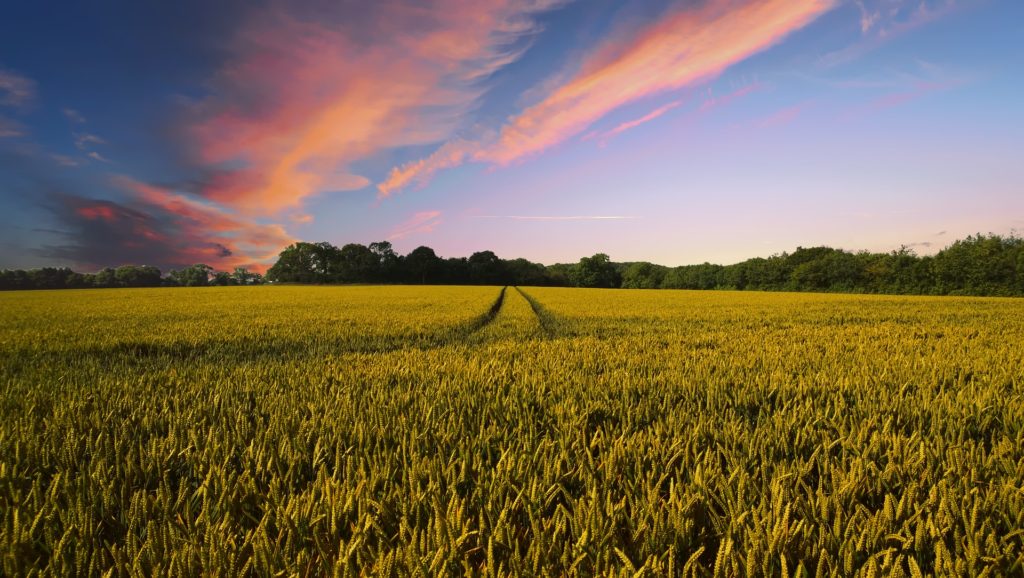
So, how does a worldwide food shortage affect you, the hardworking American farmer? If Ukraine is able to meet the food demands of the developing world, they will almost certainly turn to the flexing muscle of American agriculture to carry the load. This means that farmers could be working overtime over the next two growing seasons to grow more square acreage of corn and wheat. But how will you meet this growing need? Most farmers carefully plan out every square inch of their operation for maximum crop yield? Well, most farmers will likely focus primarily on just that: crop yield and letting go of some niche or hobby growing projects. To free up some room on the range, farmers will likely begin to convert their pasturelands to massive crop fields to meet demand.
Massive Farm Overhauls Depend on Steel Metal Barns for Equipment and Crop Storage
Farming isn’t easy. It never has been. Even modern machinery has only lightened the blow to America’s backbone. Dating back to the days of the simple plow horse, farmers, with their calloused hands and weathered faces, shouldered the bulk in feeding America’s growing population. But farmers are a crafty and clever bunch. And there’s always a cornucopia of variables to contend with on a daily basis. You’ve got to worry about early frosts, drought conditions, pest, vermin, blight, and labor shortages to deal with. You wouldn’t be too far off in saying that farming is a true combination of blue and white collar work. Farmers use their brains just as much as their brawn in getting the job done. They’re always coming up with new ideas to meet the needs of a dynamic market.
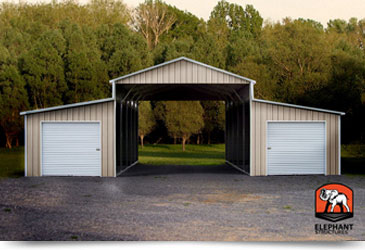
But farmers wouldn’t be anything without their trusty tractor. It’s the modern day old reliable plow horse. Farmers will depend on these and grain harvesters in converting pastures to corn and wheat fields. And where do you think the farmers will turn to at the end of a long day? Their safe haven – the timeless iconic American barn. Our durable Elephant Structures steel metal barns are a must on any American farm undergoing a sizeable production transformation. Not only can they provide year-around protection for equipment and livestock, but our premium metal gauge barns could also be ideal for storing surplus grain and crops that will be shipped out to international markets. Metal barn staging areas for production and shipment are resistant to moisture and vermin penetration, so your crops will stay fresh as they await delivery.
Share: