

Like with almost any other good or service, the price of steel is reaching historic highs. Earlier this May, future prices for 20-ton rolls of steel sheeting exceeded $1,600 per ton! That’s a first! Supply and demand economics, coupled with the lingering effects of the Trump administration’s steel tariffs, have positioned domestic industrial conglomerates in total control of rising prices. Many manufacturers are grinding to a halt as they struggle to secure supplies. Unfortunately, the volatile economic climate will likely prevail for the foreseeable future as many economists predict that prices won’t return to pre-pandemic lows until 2023. Labor shortages are also affecting daily operations. Stimulus check and unemployment insurance payouts have deterred many skilled machinists from returning to work.
But it’s not just the steel industry feeling the squeeze. Rising lumber prices have stagnated new building projects, just as local governments began to loosen pandemic restrictions. But what’s to account for the sudden shortage of wood? Isn’t wood a renewable resource? Several factors are at play here. When stay-at-home orders became the law of the land, many bored contractors DIY’ers headed to the hardware stores to stock up on supplies to take care of a few home improvement projects. And just as the hammers of our nation’s builders began to once again swing into action, they hit another hitch in their get-up. With the sudden increase in the demand for wood, mill workers struggled to keep up with the rapid expansion. Wood product companies were already in the process of building new mills as production shifted to the south, but sudden increases in demand were too much to handle.
Don’t settle for overpriced wood products. Invest in a steel barn today!
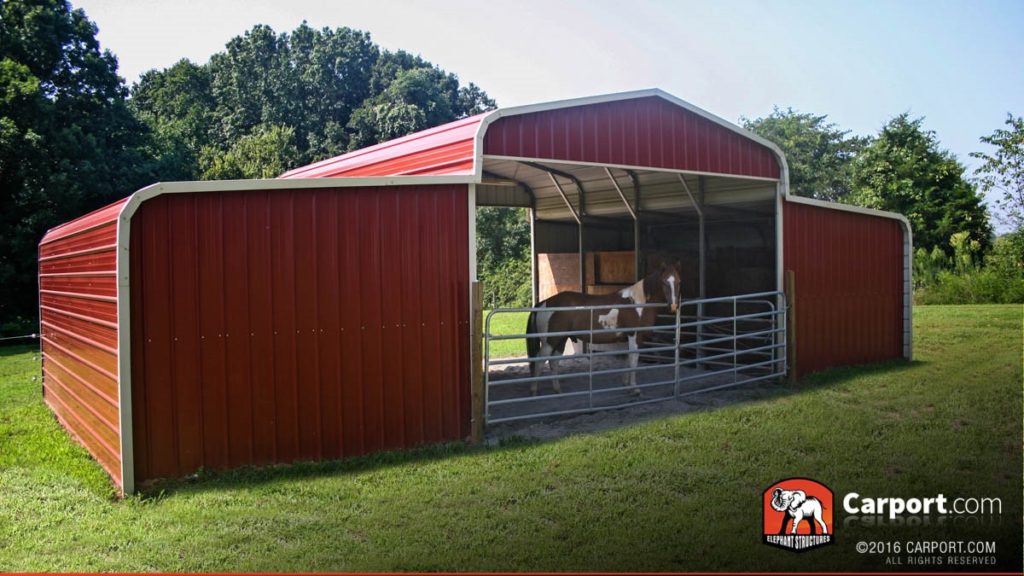
While it’s true that all building materials are experiencing an unprecedented increase in pricing, some universal truths persist. Despite discrepancies in pricing, steel will always be your best choice for building on a dollar-by-dollar basis. And with lumber mills struggling to keep up with orders, defects and other quality control problems will become more prevalent. In the end, the consumer will suffer the consequences of overstressed millwrights hopelessly trying to keep up with order requests from around the country. Steel is forged from alloying iron and carbon under extremely pressure and temperature. Such tight grain structure and malleability mitigate possible impurities and issues with inconsistency.
Steel is also more resistant to fire and extreme weather than their wooden counterparts. While wooden barns remain an American icon, they have become as dated as the steam locomotive or dialup Internet. We are certain you will always cherish childhood memories of swaying from tire swings in grandpa’s barn, you can’t stand in the way of progress. Just like the plow house that was replaced by tractor, new technology will always prevail in any agricultural setting. Our steel metal barns are the vanguard to that new age.